
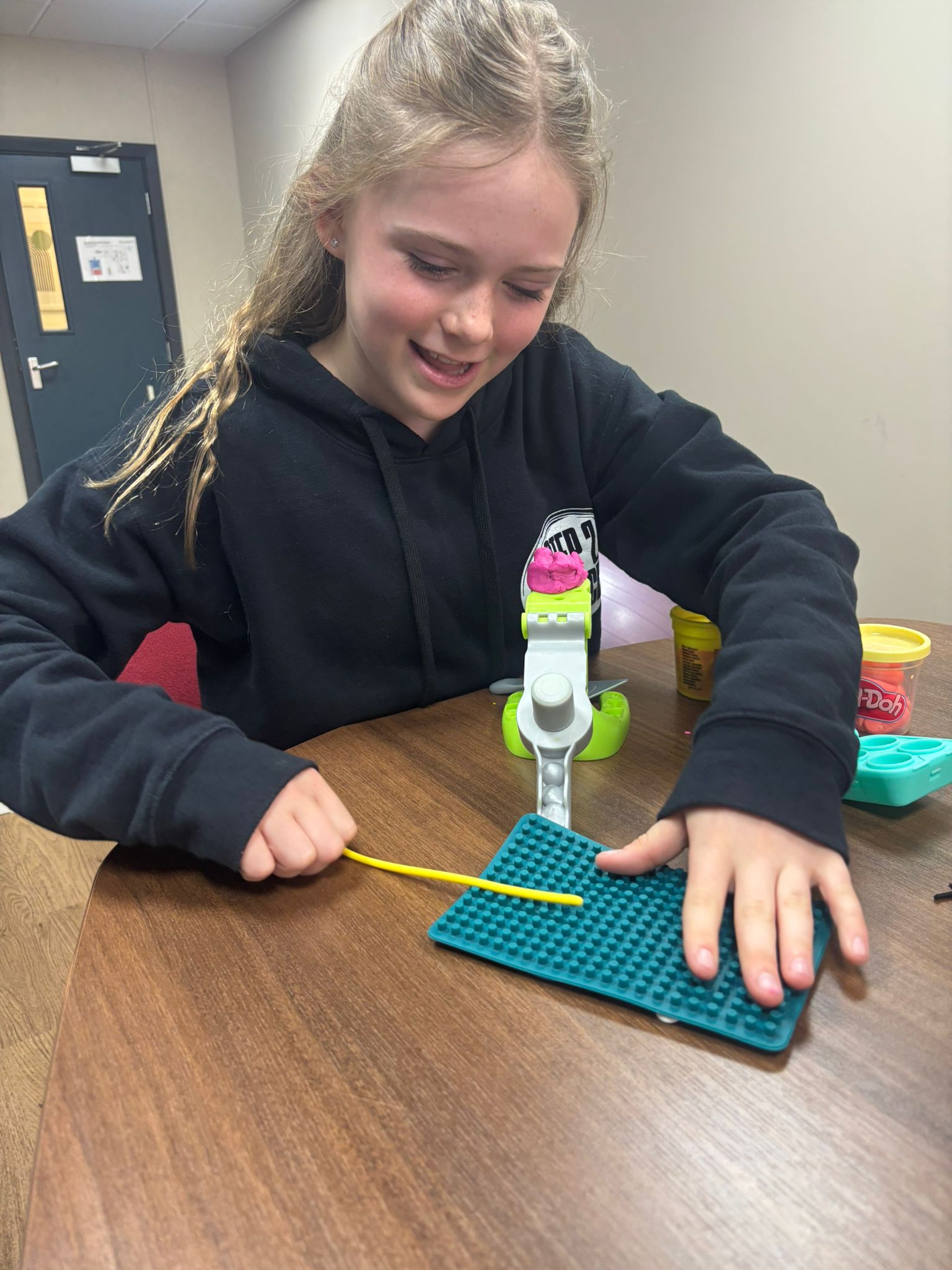

How Sensory Differences Can Show Up
Many neurodivergent individuals experience differences in how they process sounds, touch, movement, light, and other sensory input. A Sensory Processing Assessment helps us understand these patterns so we can maximise comfort, regulation, and participation in everyday life. Our sensory assessments are for both children and adults of all ages.
What We Assess

Sensory seeking or avoidance:
Behaviours that show a need for more or less sensory input (e.g., constant movement, chewing, covering ears).

Self-regulation:
How the individual manages emotions and behaviour in response to sensory experiences. What tools are already in place to help the individual to regulate, and what can we suggest to increase this “toolbox”?

Sensory joy:
Which activities bring someone enjoyment, and how can we implement more of this into their daily life?

Impact on daily life:
How sensory differences affect learning, self-care, play, and social interactions. And importantly, how we can maximise an individual’s engagement in these areas of their life.
What The Assessment Involves
Our assessments are always bespoke, based on the individual’s needs and what they hope to gain from the assessment. This means our assessments always look a little different. Some things that may be included within the assessment are:
Parent or caregiver questionnaires and discussions.
Structured observations during play and everyday tasks.
Standardised tools that help measure sensory processing and integration.
Play-based observations.
Understand the journey. Download our sensory assessment pathway documents ⬇️
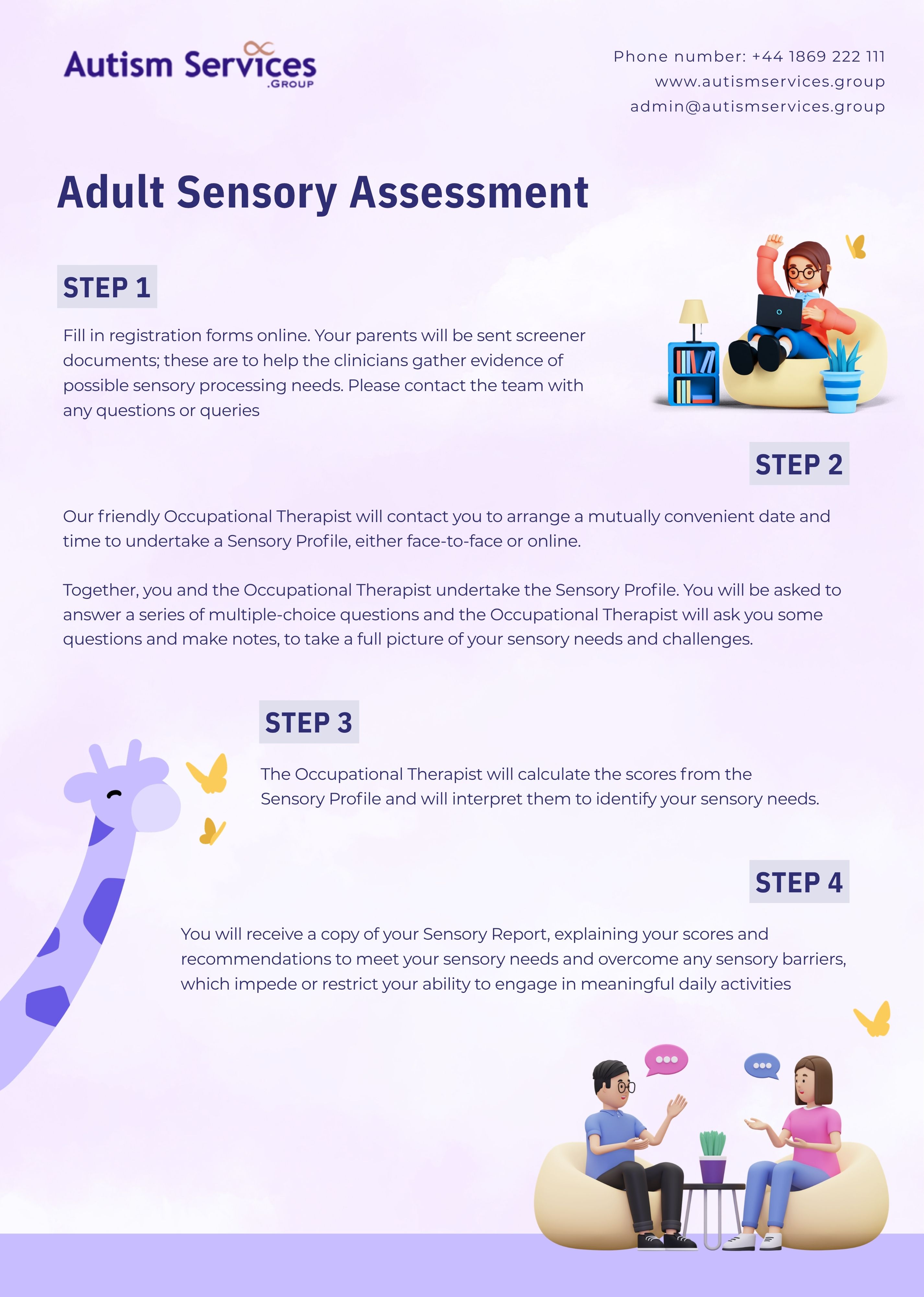
Adult Sensory Assessment Pathway
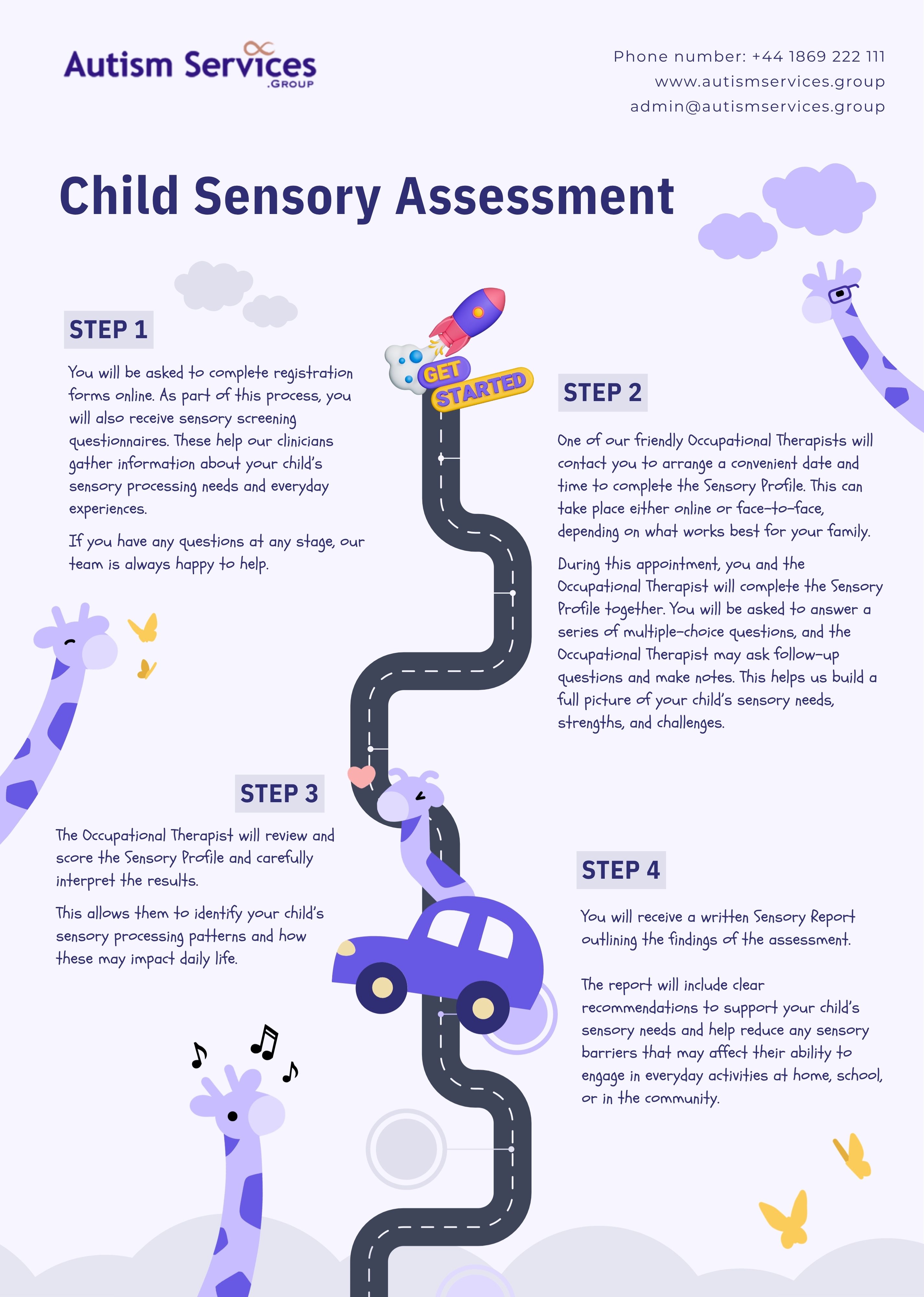
Child Sensory Assessment
Pathway
Why Get a Sensory Processing Assessment?

Validation:
It helps explain why certain environments, activities, or daily tasks feel harder for the individual, supporting greater self-understanding and self-kindness.
Understanding:
It deepens insight into the individual’s neurodivergent profile, highlighting their sensory strengths, needs, and patterns.

Practical strategies:
You’ll receive tailored strategies and adaptations for home, education, and community settings to make everyday life feel more manageable.

Further support:
The assessment can guide next steps, including access to ongoing therapy, school accommodations, or additional services if needed.
Why Autism Services Group
UK and Ireland–wide Assessments
NICE guideline compliant
Transparent Pricing (No added costs)
Tailored support based on location
Expert clinicians, psychiatrists, and staff
Empathetic admin team
Sensory Assessment
Evidence-based sensory processing assessment leading to practical strategies and support.
£895 (UK)
€995 (Ireland)
Our community
loves us
We’ve helped transform lives through our assessments in the UK and Ireland, with empathy and care. This is why we love what we do!
Our community loves us
We’ve helped transform lives through our assessments in the UK and Ireland, with empathy and care. This is why we love what we do!

I had a very positive experience with Autism Services Group from start to finish. I made an enquiry about an ADHD assessment and received a call back to answer any of my questions, I then booked my assessment and was guided through every step by the very helpful staff. Thank you!
Julia K.
I recently had an autism assessment and giving I was really nervous and anxious about the assessment the team were excellent, they put me at ease and the process seemed less daunting, I would highly recommend this service to anyone thinking about going for a private assessment
Caroline M.
We have used Autism Services Group for both an adult and child combined assessment of autism and ADHD. We would heartily recommend them. We have found the team responsive, empathetic, clear, concise and simply easy to interact with. The process is quite intense, but the outcomes and recommendations were incredibly helpful. We also feel the team were very balanced, thorough and evidence-based. This really helps reassure us of the quality and gives us confidence in using the recommendations and diagnosis. Thanks again!
Annie A.
From the very beginning, the communication and support from ASG before the appointment were fantastic — the team made everything clear, organised and easy to understand, which really helped put me at ease.
I felt genuinely listened to throughout, and the assessment was carried out with care, empathy and without judgement. The conversations felt relaxed and supportive whilst still being very thorough and informative.
Rob P.
We’re here to help
To get started or understand more about your options, our admin team, will be here to help.

Your Journey. Our Support.